

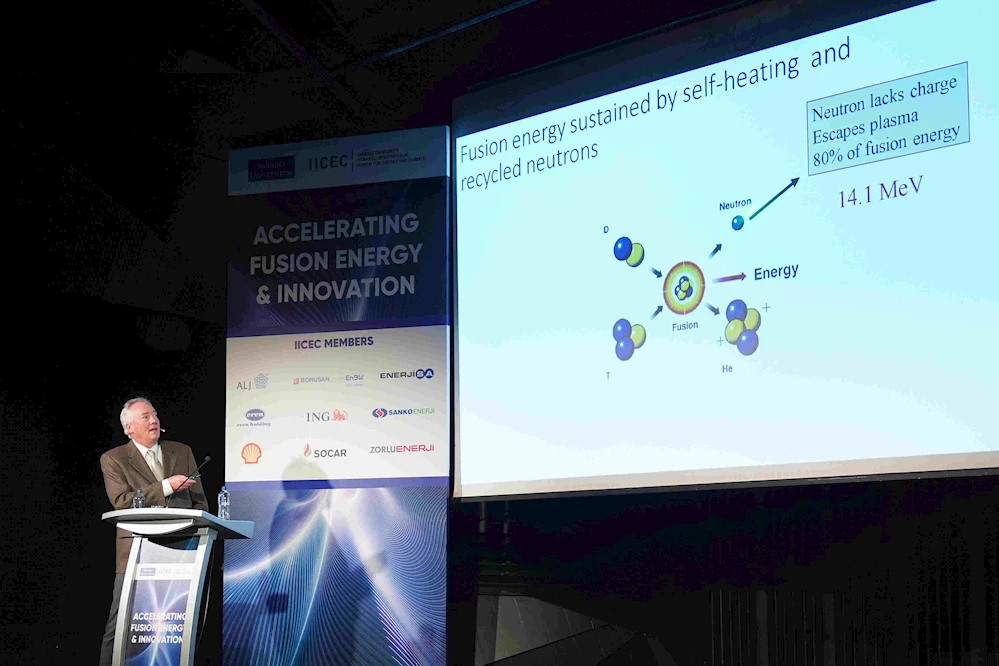
Enerji alanında dünyada çığır açma potansiyeline sahip füzyon enerjisi, Sabancı Üniversitesi İstanbul Uluslararası Enerji ve İklim Merkezi (IICEC) tarafından düzenlenen “Füzyon Enerjisi ve İnovasyonu Hızlandırmak” başlıklı seminerde ele alındı.
Dünyada bu alanda en önde gelen çalışmalara imza atmakta olan MIT Plazma Bilimi ve Füzyon Merkezi Direktörü Prof. Dr. Dennis G. Whyte, füzyon teknolojisinde 20-30 yıllık süreçlerin artık, geliştirdikleri yenilikçi teknoloji çözümleri ile 2-3 senelik sürelere çekildiğini belirtti. Prof. Whyte, çalışmalarında ilk iki aşamayı başarıyla tamamladıklarını söyleyerek, 2025 yılında füzyondan net enerji elde edilmesini ve 2030 yılında da enerjinin şebekeye verilmesini hedeflediklerini anlattı.
Sabancı Üniversitesi Kurucu Mütevelli Heyeti Başkanı Güler Sabancı:
“Füzyon teknolojisi, temiz enerji geleceği için çok önemli”
Sabancı Üniversitesi Rektörü Prof. Dr. Yusuf Leblebici:
“Füzyon teknolojisinin Türkiye’deki ilk tanıtımını yapıyoruz”
Sabancı Üniversitesi IICEC Direktörü Bora Şekip Güray:
'Rekabetçi füzyon, Türkiye gibi net ithalatçı enerji piyasaları için çok değerli kazanımlar sağlayabilir”
Sabancı Üniversitesi İstanbul Uluslararası Enerji ve İklim Merkezi (IICEC), öncü analitik çalışmaları, hazırladığı raporlar ve düzenlediği konferanslarla enerji ve iklim alanlarında en yeni gelişmeleri Türkiye gündemine taşımaya devam ediyor. IICEC’in alanında dünyanın sayılı isimlerinin katılımı ile gerçekleştirdiği konferans serisi kapsamında bu kez de enerji alanında çığır açma potansiyeline sahip füzyon enerjisi ele alındı.
Plazma bilimi ve füzyon alanında bilim dünyasının en önemli ismi
“Füzyon Enerjisi ve İnovasyonu Hızlandırmak” başlıklı seminer kapsamında, plazma bilimi ve füzyon alanında bilim dünyasının öncü isimlerinden Massachusetts Institute of Technology’nin (MIT) Plazma Bilimi ve Füzyon Merkezi Direktörü olan Prof. Dr. Dennis G. Whyte, IICEC tarafından düzenlenen semineri için Sabancı Üniversitesi Kurucu Mütevelli Heyeti Başkanı Güler Sabancı’nın özel daveti ile Türkiye’ye geldi.
Misyonunu dünyaya füzyon gücü sağlamak olarak belirlemiş bir şirket olan özel füzyon girişimi Commonwealth Fusion Systems (CFS) ile iş birliği içinde, kompakt, ileri teknolojili, bir füzyon enerjisi çözümü olan SPARC füzyon projesini yöneten Prof. Dr. Dennis G. Whyte, The Seed Sakıp Sabancı Müzesi’nde düzenlenen seminerde geleceğin en önemli enerji çözümlerinden biri olarak görülenfüzyon enerjisini, füzyon teknolojisindeki son gelişmeleri ve geliştirdikleri teknolojinin başarı faktörlerini ve yakın gelecek için somut hedeflerini anlattı.
Füzyon enerjisi üretmeye yönelik çok yenilikçi ve çok daha hızlı bir yöntemle bu alanda çığır açan, aynı zamanda ilgili çalışmaları ile 2018'de füzyonun gelişimini hızlandırmada olağanüstü liderlik nitelikleri sergileyen kişilere verilen Fusion Power Associates (FPA) Yönetim Kurulu Liderlik Ödülü'nü de alan Prof. Dr. Dennis G. Whyte’ın, konuşmacı olduğu özel seminere, iş dünyası ile enerji ve iklim çevrelerinden seçkin bir davetli topluluğu katıldı.
“Füzyon teknolojisi, temiz enerji geleceği için çok önemli”
Etkinlikte ev sahibi olarak yer alan Sabancı Üniversitesi Kurucu Mütevelli Heyeti Başkanı Güler Sabancı, füzyon enerji teknolojisinin temiz enerji geleceği için çok önemli olduğunu vurguladı. Massachusetts Teknoloji Enstitüsü (MIT) Energy Initiative (MIT Enerji Girişimi) Danışma Kurulu’nda yer aldığı için füzyon enerjisi teknolojisini yakından takip ettiğini belirten Güler Sabancı, bu alanda yapılan çalışmaların dünyanın önde gelen bilim insanlarından biri olan Prof. Dr. Dennis G. Whyte aracılığıyla IICEC ev sahipliğinde anlatılmasından mutluluk duyduğunu ifade etti.
“Füzyon teknolojisinin Türkiye’deki ilk tanıtımını yapıyoruz”
Sabancı Üniversitesi Rektörü Prof. Dr. Yusuf Leblebici seminerde yaptığı konuşmada, “Sabancı Üniversitesi olarak, dünyanın en önde gelen üniversitelerinden biri olan Massachusetts Teknoloji Enstitüsü’nün Enerji Girişimi ile birlikte çok yenilikçi bir teknolojinin Türkiye’deki ilk tanıtımını yapıyoruz. Prof. Dr. Dennis Whyte’ın bize anlattığı füzyon teknolojisi önümüzdeki yüzyıllarda insanlığın enerji ve gelişimini kökten değiştirebilecek potansiyele sahip. En az 50-60 seneden beri konuşulan ancak bir türlü başarılamayan bir sonucun artık bize çok yakın olduğunu gösteriyor. Sabancı Üniversitesi İstanbul Uluslararası Enerji ve İklim Merkezi (IICEC) ve MIT Enerji Girişimi ile kurulan ilişki yıllardan beri devam ediyor. Sabancı Üniversitesi için yeni bir adım olmaktan ziyade yılların birikiminin bir sonucu olduğunu söyleyebilirim. Burada IICEC’in ne kadar önemli bir rol oynadığını da görüyoruz. Bilim dünyasının önemli ismini IICEC etkinliğinde ağırlamaktan ve bundan sonraki çalışmalara dahil olmaktan mutluluk duyuyoruz” açıklamasında bulundu.
“2025’te füzyondan ilk net enerji elde edilecek, 2030’da şebekeye verilecek”
“İçinde bulunulan mevcut durum ve küresel gelişmelere bakıldığında füzyon daha önce düşündüğümüzden çok daha yakın. Bu da demektir ki; iklim değişikliği ile mücadele ve enerji güvenliği için füzyonu ticari, uygulanabilir bir enerji çözümü olarak öne çıkaran teknolojileri acilen geliştirmemiz gerekiyor. Atılım yaratan buluşlarımızdan önce füzyonun uzun yıllar sonra gerçekleşeceği düşünülüyordu. Şimdi ise füzyona sadece dört yıl var. Bu da bize, bu yeni enerji kaynağını uygulama konusunda önemli bir fırsat da sunuyor” açıklamasında bulunan MIT Plazma Bilimi ve Füzyon Merkezi Direktörü Prof. Dr. Dennis G. Whyte, füzyonun önemi ve yaptıkları çalışmalar hakkında şunları söyledi:
“Füzyon teknolojisinin gerçek anlamda hayata geçebilmesi için hükümetler, araştırma kuruluşları, bilim insanları, iş dünyası ve özel yatırımcıların bir araya gelmesi gerekiyor. Onlarca yıllık kamu finansmanıyla oluşturulan bilimsel gelişimilkelerinin,yenilikçi teknik ve organizasyonel modellere dönüştürülmesi önemli.. Bunun başlıca örneği, özel füzyon endüstrisinin yakın zamanda ortaya çıkması ile birlikte füzyonun geliştirme süresini kısaltmak ve ekonomik olarak rekabetçi bir ürün üretmek için çözümlere odaklanan şirketlerdir.
Bunun önemli bir örneğini de biz MIT ve özel sektör ortağı Commonwealth Fusion Systems olarak gerçekleştiriyoruz. Bu plan, süper iletken mıknatıslardaki yıkıcı teknolojiyi ve köklü füzyon bilimini, iklim değişikliği ile mücadelede önemli bir fark yaratmak üzere bilim insanları, akademi, iş dünyası ve yatırımcılardan oluşan yenilikçi işbirliği modelleri ile hayata geçiyor.
MIT olarak yürüttüğümüz projede füzyon enerjisinin şebekeye verilerek kullanıma sunulması 4 aşamada gerçekleştiriliyor. İlk aşama olan Alcator C-Mod’u gerçekleştirdik ve ikinci etapta TFMC sarmal aşamasını tamamladık. 5 Eylül 2021’de gerçekleştirdiğimiz test sonuçlarından olumlu sonuç aldık. Şimdi üçüncü aşamada doğrudan net enerji elde etmek üzere Boston yakınlarında SPARC tesisleri inşaatı 2025 yılında tamamlanarak hizmete girecek. Son olarak ARC aşamasıyla füzyon enerjisini şebeke üzerinden kullanıma açmayı hedefliyoruz.
Artık 20-30 yıllık süreçler yok. 2-3 yıl sonrasından bahsediyoruz. Eski kurallar artık geçerli değil. Şimdi yeni bir ufuk ve yakın gelecekten söz ediyoruz.. Belki de önümüzdeki 10 yıllık süre içerisinde füzyon enerjisini çok daha farklı şekilde konuşacağız. Birçok enerji sorununu da bu sayede aşmış olacağız” dedi.
'Rekabetçi füzyon, Türkiye gibi net ithalatçı enerji piyasaları için çok değerli kazanımlar sağlayabilir”
IICEC’in kamu-sanayi-akademi başarı üçgeni modeli ile daha güvenli ve temiz enerji geleceğine katkı sunmaya devam ettiğini belirten IICEC Direktörü Bora Şekip Güray, daha güvenli ve daha temiz enerji geleceğine ilişkin çalışmalarda füzyon teknolojisinin son dönemde giderek daha fazla öne çıktığını belirtti. Bu alanda liderlik ettiği teknolojik çözümlerle dünyanın önde gelen bir projesine imza atan MIT Plazma Bilimi ve Füzyon Merkezi Direktörü Profesör Whyte'ı Sabancı Üniversitesi IICEC olarak Türkiye'de konuk etmiş olmaktan büyük memnuniyet duyduklarını ifade eden Güray, sürdürülebilir füzyon çözümlerinde sağlanacak gelişmelerin, enerji ve iklim geleceği için kritik olacağının altını çizdi. Güray, enerji güvenliği, iklim değişikliği ile mücadele ve enerji ekonomisi alanları değerlendirildiğinde, tüm bu faktörler içerisinde füzyonun, global enerji dengelerini dönüştürücü potansiyeline dikkat çekerken, rekabetçi füzyonun Türkiye gibi enerji talebi büyüyen ve enerjide net ithalatçı olan enerji piyasaları için gelecekte ayrıca çok değerli kazanımlar sağlayabileceğini ifade etti.
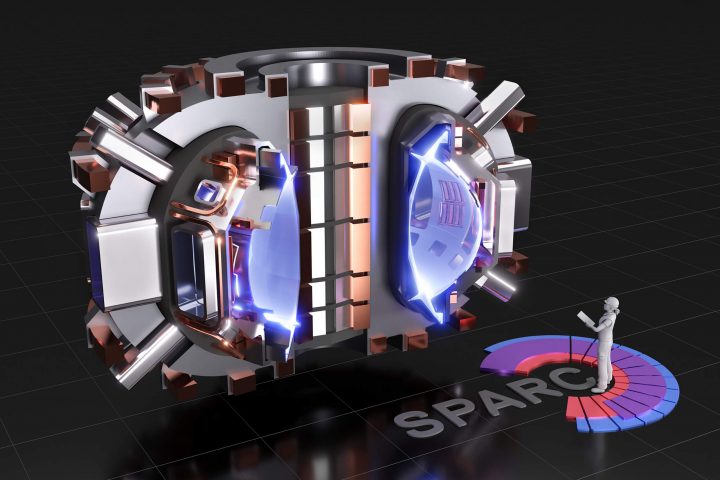
Prof. Dennis G. Whyte has announced the calendar in fusion energy at the IICEC seminar in Turkey: “Net energy from fusion will be obtained in 2025, it will be available for the grid in 2030”.
Fusion energy, which has the potential to revolutionize the world energy system, was discussed at a special seminar entitled “Accelerating Fusion Energy and Innovation” organized by Sabancı University Istanbul International Center for Energy and Climate (IICEC).
The Director of the MIT Plasma Science and Fusion Center, which is leading the way in fusion science, Prof. Dr. Dennis G. Whyte stated that the processes of 20-30 years previously in fusion technology have now been reduced to 2-3 years with the innovative technology solutions they have developed. Saying that they have successfully completed the first two phases in their studies, Prof. Whyte explained their target of they obtaining net energy from fusion in 2025 and further tdeliver the energy to the grid in 2030.
Sabancı University Founding Chair of the Board of Trustees Güler Sabancı: “Fusion technology is crucial for a clean energy future”
Sabancı University President Prof. Dr. Yusuf Leblebici: “We are making the first promotion of fusion technology in Turkey”
Sabancı University IICEC Director Bora Şekip Güray: 'Competitive fusion could provide invaluable gains for net importer energy markets like Turkey”
Sabancı University Istanbul International Center for Energy and Climate (IICEC) continues to bring the latest developments in energy and climate to the country agenda with its pioneering analytical studies, reports and conferences. Within the scope of the conference series organized by IICEC with the participation of the world's leading people, fusion energy, which has the potential to break newgrounds in the field of energy, was discussed at a special seminar. The most important person in the science world in the field of plasma science and fusion Within the scope of the seminar entitled 'Accelerating Fusion Energy and Innovation', Professor Dr. Dennis G. Whyte, Director of the Massachusetts Institute of Technology (MIT) Plasma Science and Fusion Center, and one of the leading figures in the field of plasma science and fusion, visited Türkiye upon the special invitation of Güler Sabancı, the founding chair of the Sabancı University Board of Trustees, for a seminar organized by IICEC. Managing the SPARC fusion project, which is a compact, advanced-technology, fusion energy solution, in collaboration with the private fusion startup Commonwealth Fusion Systems (CFS), a company whose mission is to provide fusion power to the world, Prof. Dr. Dennis G. Whyte talked about fusion energy, which is considered to be one of the most important energy solutions of the future together with the latest developments in fusion technology, the success factors of the technology they have developed, and their concrete goals for the near future, at the seminar held at The Seed, Sakıp Sabancı Museum. A distinguished group of guests from the and energy and climate circles attended the special seminar where Prof. Dr. Dennis G. Whyte was a speaker. In 2018, Prof. Whyte received the Fusion Power Associates (FPA) Leadership Award, which is given to people who have pioneered in this field with highly innovative and much faster methods of producing fusion energy, and who have demonstrated outstanding leadership qualities in accelerating the development of fusion. “Fusion technology is crucial for a clean energy future” Sabancı University Founding Chair of the Board of Trustees, Güler Sabancı, who was the host of the event, emphasized that fusion energy technology is crucial for a clean energy future. Güler Sabancı stated that she closely follows fusion energy technology as she is a member of the Massachusetts Institute of Technology (MIT) Energy Initiative Advisory Board. Güler Sabancı expressed that she was glad the studies in this field were presented by Prof. Dr. Dennis G. Whyte, one of the world's leading scientists in this field, at an event hosted by IICEC. “We are making the first promotion of fusion technology in Turkey” In his speech at the seminar, Prof. Dr. Yusuf Leblebici, Sabancı University President, said, “As Sabancı University, we are promoting a very innovative technology in Turkey together with the Massachusetts Institute of Technology Energy Initiative, one of the world's leading universities. The fusion technology that Prof. Dennis Whyte presents us has the potential to radically change the energy future and development of humanity in the coming years.. It shows that a result that has been talked about for at least 50-60 years but could not be achieved is now very close to reality. The relationship established with Sabancı University Istanbul International Center for Energy and Climate (IICEC) and MIT Energy Initiative has been continuing for years. I can say that it is the result of years of experience rather than being a new step for Sabancı University. Here, we also see what an important role the IICEC plays. We are happy to host an important person of the scientific world at the IICEC event and to be involved in the next studies”. “Net energy from fusion will be obtained in 2025, it will be available to the grid in 2030”. “Given the current situation and global developments, fusion is much closer than we previously thought. This means that we urgently need to develop technologies that highlight fusion as a commercial, viable energy solution to combat climate change and for energy security. Before our breakthrough inventions, fusion was expected to occur many years later. Now there are only four years to fusion. This also presents us with an important opportunity to apply this new energy source,” said MIT Plasma Science and Fusion Center Director Prof. Dr. Dennis G. Whyte. He shared the following comments about the importance of fusion and their studies: “Governments, research institutions, scientists, the business world and private investors need to come together for fusion technology to truly materialize. It is important to transform the scientific development principles created by decades of public funding into innovative technical and organizational models. A great example of this is the recent emergence of the private fusion industry, with companies focusing on solutions to shorten the development time of fusion and produce an economically competitive product. We, as MIT and its private sector partner, Commonwealth Fusion Systems, are realizing an important example of it. This plan brings the disruptive technology in superconducting magnets and the deep-rooted science of fusion to life with innovative collaboration models comprising scientists, academia, business, and investors to make a significant difference in tackling climate change. “In the project we run at MIT, fusion energy is delivered to the grid and put into use in 4 phases. We performed the first phase, Alcator C-Mod, and completed the TFMC spiral phase in the second phase. We got a positive result from the test results we carried out on September 5, 2021. Now, in the third phase, SPARC facilities near Boston will be completed and put into service in 2025 to generate net energy directly. Finally, with the ARC phase, we aim to make fusion energy available to the grid. “There are no longer periods of 20-30 years. We are talking about 2-3 years later. The old rules no longer apply. Now we are talking about a new horizon and the near future. Maybe we will talk about fusion energy in a very different way in the next 10 years. In this way, we will overcome many energy problems”. 'Competitive fusion could provide invaluable gains for net importer energy markets like Turkey” Stating that IICEC continues to contribute to a more secure and cleaner energy future with the public-industry-academia success triangle model, IICEC Director Bora Şekip Güray stated that fusion technology has recently come increasingly to the fore in studies towards a secure and clean energy future. Stating that as Sabancı University IICEC, they are very pleased to host Professor Whyte, Director of the MIT Plasma Science and Fusion Center, who has signed a leading project with the technological solutions he has developed in this field, Güray added that the developments to be achieved in sustainable fusion solutions will be critical for the energy and climate future. As far as the factors of energy security, combating climate change and energy economy are concerned, Güray drew attention to the potential of fusion to transform global energy balances across all these factors, and stated that competitive fusion can also provide invaluable gains in the future for net-importer energy markets with growing energy demand such as Turkey .
 SİZİN DÜŞÜNCELERİNİZ?